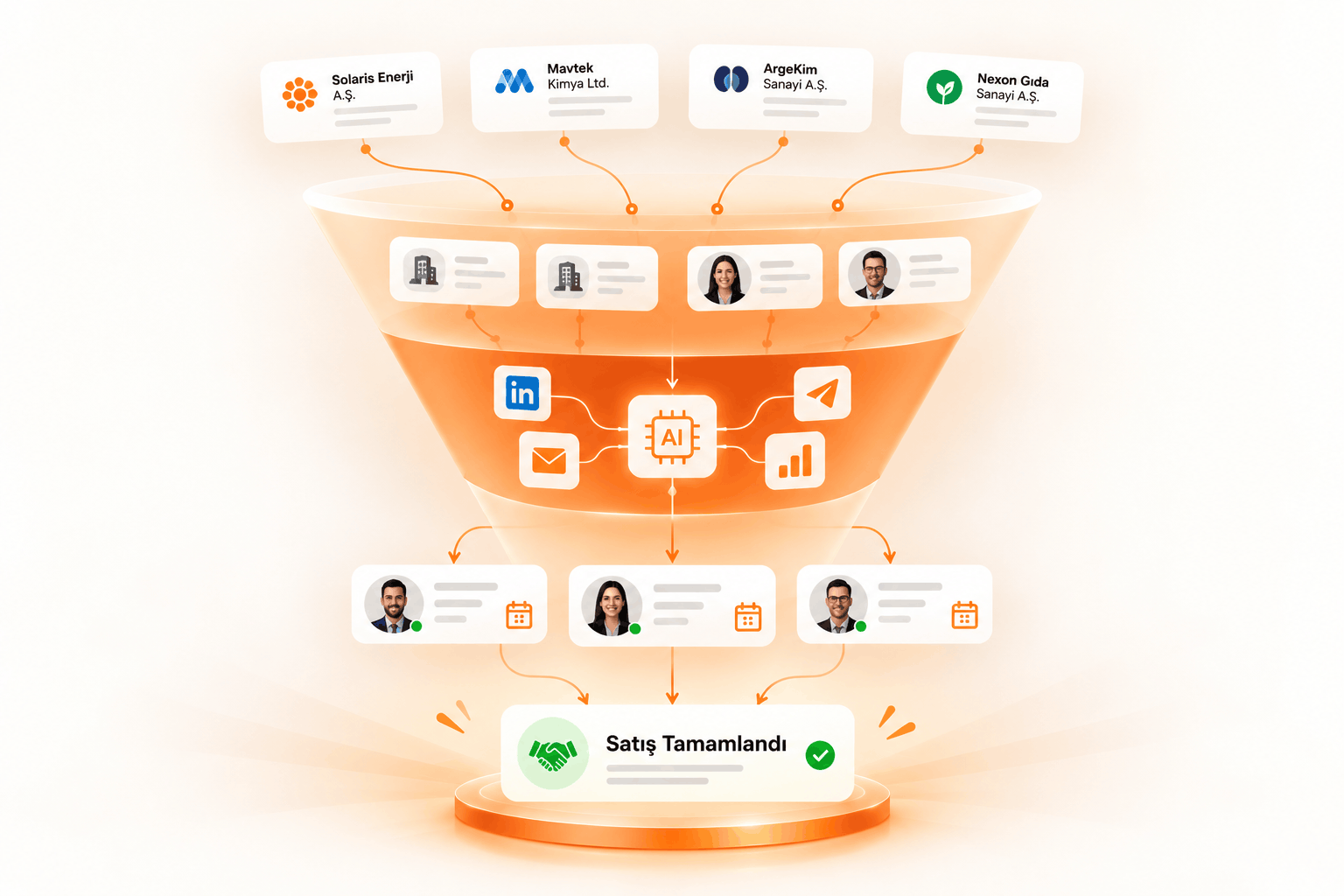
| Core aim | Joins every piece of work around winning new customers and creating qualified sales opportunities. | Can focus on separate goals such as brand awareness, visibility, engagement and marketing performance. | Aims for operational efficiency by automating specific tasks. |
|---|
| How customers are won | Proactive. It researches prospects, identifies decision-makers and starts the first conversation to create new opportunities. | Usually focuses on advertising, content and visibility so prospects come to the brand. | Automates outreach according to the audience and rules the user sets. |
|---|
| How the work runs | Joins targeting, GEO, SEO, digital marketing, data, outreach and sales automation into one customer acquisition strategy. | Mostly runs social media, advertising, SEO and content as separate specialties and campaigns. | Simplifies specific processes. Building and running the full sales strategy stays with the user. |
|---|
| Technology | Builds a sales system for the company by connecting technology it develops, global software and artificial intelligence. | Relies mainly on third-party tools to run marketing activity. | Works within the features and integrations of its own software. |
|---|
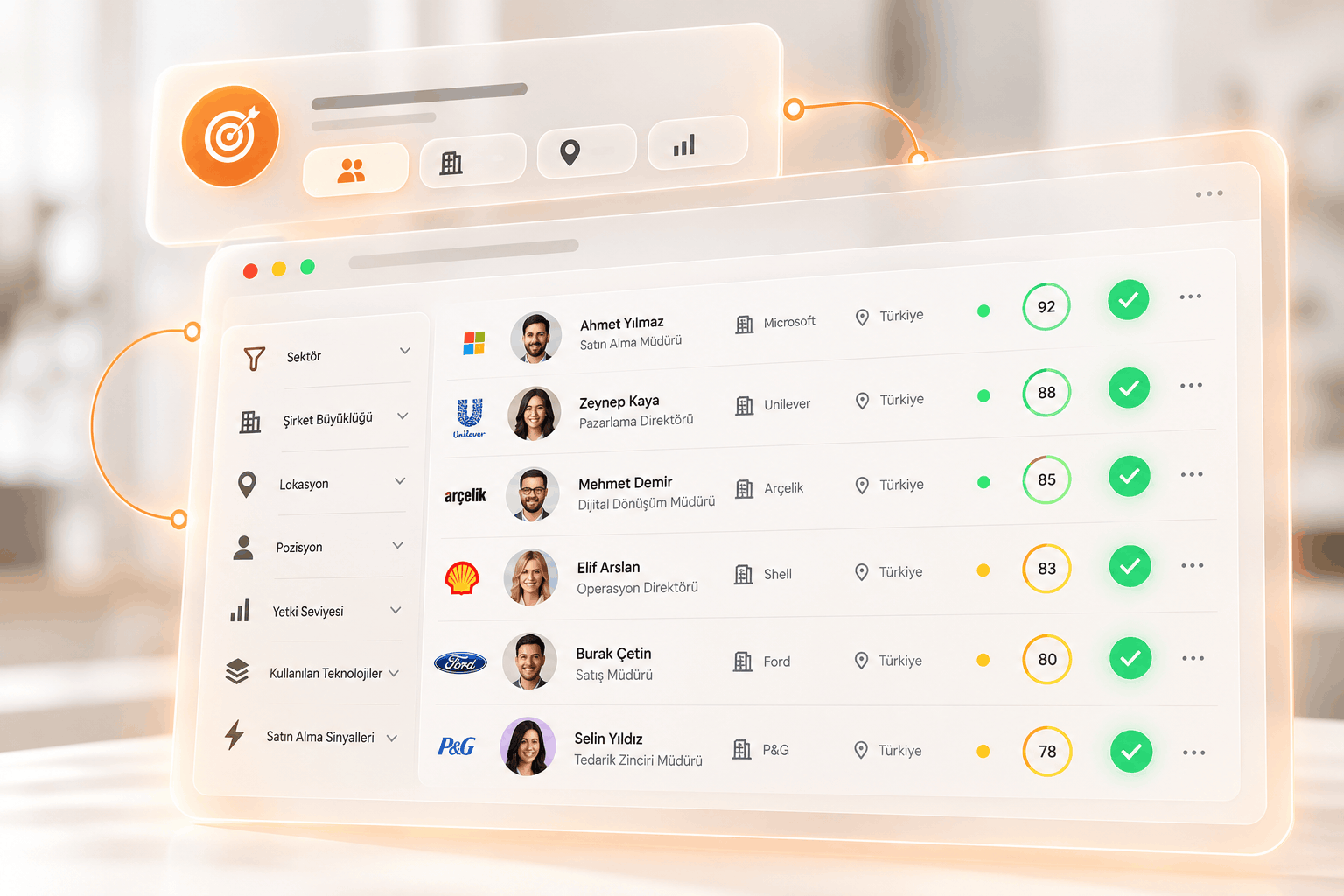
| Prospect research | Reads the ideal customer profile, then researches target companies, decision-makers and buying signals to find new opportunities. | Usually researches the audience as part of advertising, content and campaign planning. | Can supply data and lists. Checking and prioritising the targets stays with the user. |
|---|
| Outreach and follow-up | Runs personalised first contact, follow-up and qualification across LinkedIn, email and the digital channels that fit. | Runs brand communication and campaigns. One-to-one sales development and follow-up may sit outside the engagement. | Automates sending and follow-up. Reading replies and turning them into sales opportunities stays with the user. |
|---|
| How performance is managed | Action-led. It reviews performance regularly, finds what is stuck and improves targeting, messages and channels. | Reports campaign results and optimises performance. Action on sales outcomes depends on the scope of the engagement. | Supplies performance data and automation metrics. Strategic decisions and improvements are mostly made by the user. |
|---|
| What success means | Prioritises qualified replies, sales opportunities, meeting quality and the contribution to winning customers. | Tracks marketing KPIs such as reach, traffic, engagement, conversion and advertising performance. | Measures usage metrics such as sends, connections, replies and automation efficiency. |
|---|
| How it scales | Carries what works into new customer segments, sectors and markets, and builds an acquisition system that can be repeated. | Scales marketing by taking successful campaigns to new channels and wider audiences. | Scales operations within usage limits, integrations and automation capacity. |
|---|